Bosque das Artes

Bosque das Artes

Geology, Fauna, and Flora

Considered one of Rio de Janeiro's main postcards, the Parque Bondinho Pão de Açúcar® is also one of the city's most breathtaking views and a place full of history and nature, as well as offering diverse experiences to locals and tourists

Project Maravilha inaugurates the Bosque das Artes at the summit of Sugarloaf Mountain, Rio de Janeiro's historical and cultural heritage site with a rock formation dating back some 600 million years. This refuge, almost 400 meters above sea level, is an environmental preservation area where native flora and wild fauna live in harmony with the historic landscape.
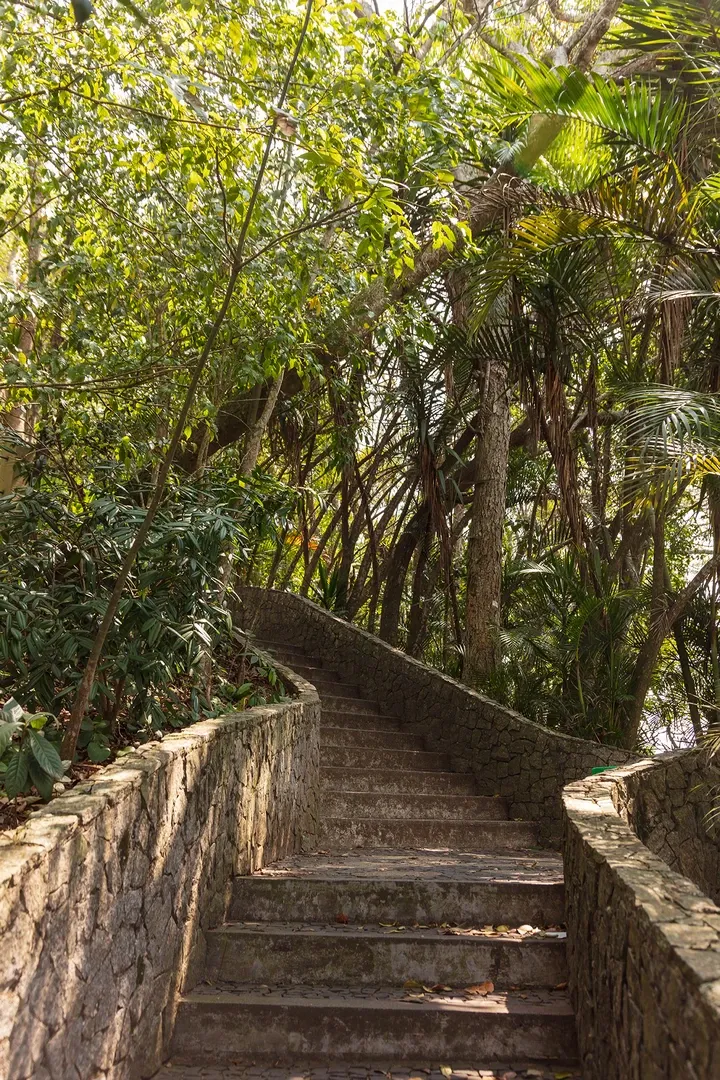
Imagem que é parte da section do projeto maravilha

Earth´s Timeline

During the visit to Project Maravilha, as well as seeing Carlos Vergara's groundbreaking works, visitors will learn a little more about the history of Pão de Açúcar, an Atlantic Forest reserve.

See here how the “Facoidal Gneiss”, the granite that forms the hills of the geological site, was formed.

Illustrations

Marina Smit

Scientific Consultant

Claudio Valeriano

FAUNA E FLORA

Immerse yourself in the rich biodiversity of life in the park! Click on the animals and plants to discover more about the fauna and flora that make Bosque das Artes a natural haven.
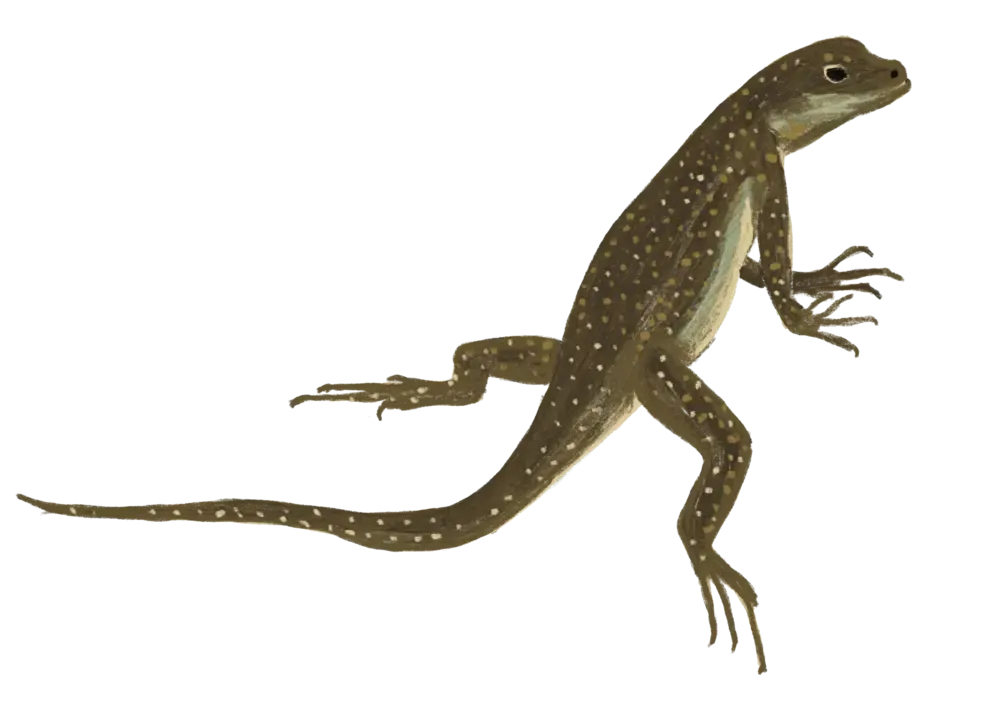
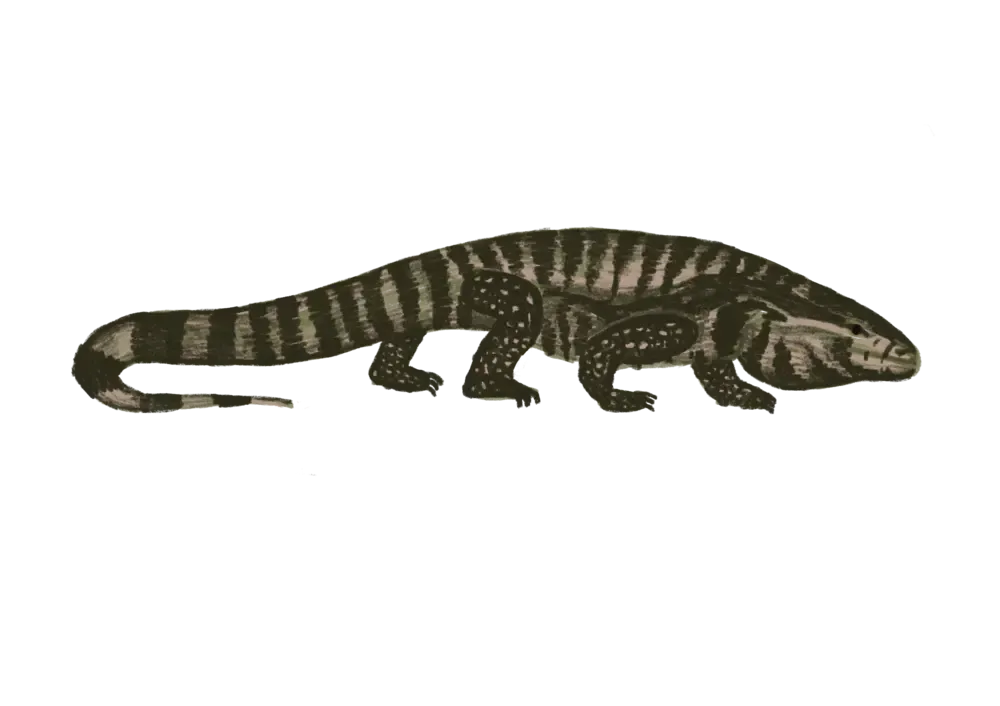
  • CALANGO

    CALANGOTropidurus torquatus

    Typical of the Atlantic Forest and Cerrado, this reptile doesn't like the cold. With its resistant skin, it spends the day camouflaged, quietly hiding in the rocks to keep warm. Its diet is varied: insects, small vertebrates, flowers and fruit.

  • TEGU

    TEGUTupinambis merianae

    It is one of the largest lizards in the Americas and can reach 1.4 meters in length and weigh 5 kg. It has diurnal habits and hibernates in burrows during the colder months. It eats everything: eggs, fruit and even small vertebrates.

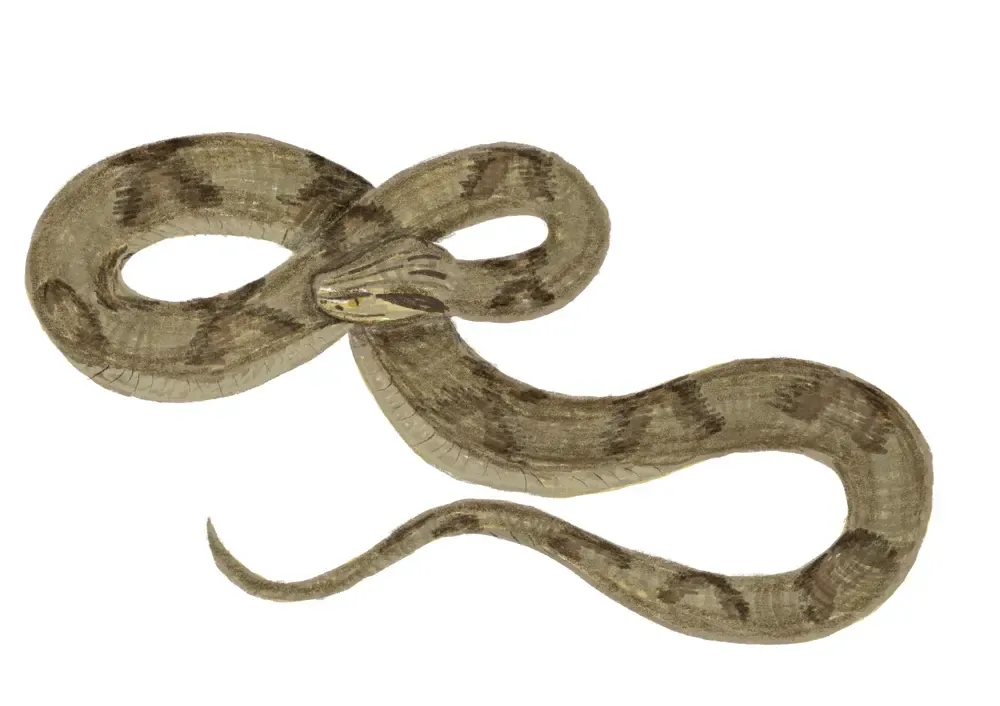
  • JARARACA

    JARARACABothrops jararaca

    Plays an important ecological role by controlling the population of amphibians and rodents, its main food. Its venom is used to produce drugs such as those used to treat hypertension.

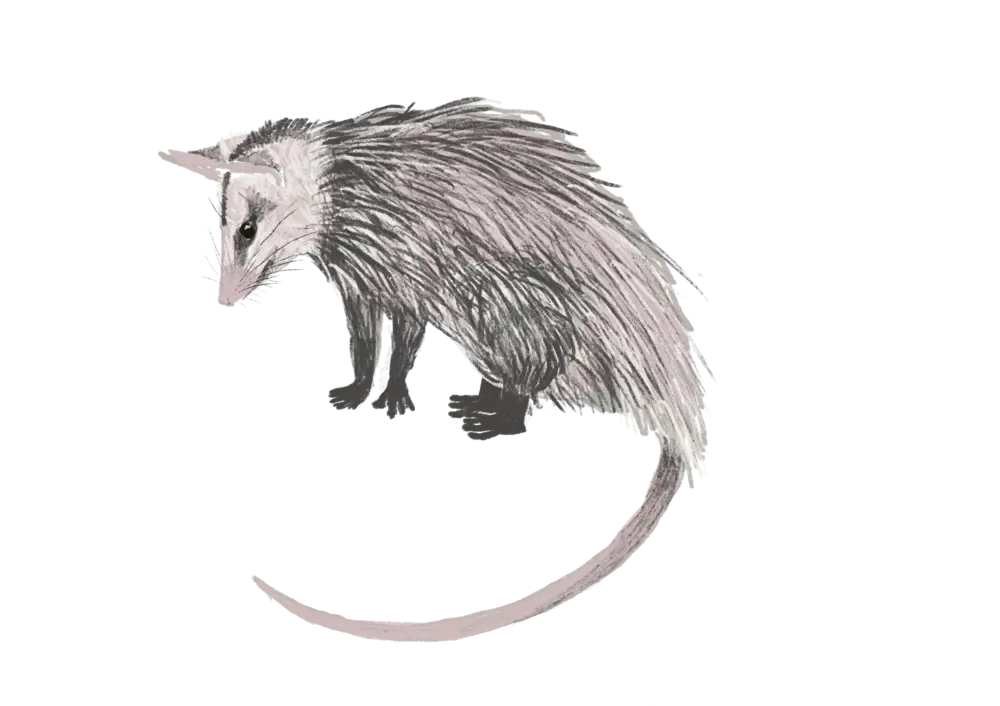
  • COMMON OPOSSUM

    COMMON OPOSSUMDidelphis marsupialis

    Contrary to popular belief, this omnivorous species does not emit a foul odor. The young are carried by their mothers in a ventral pouch called a marsupium. Similar to rats, although they are not rodents, they are between 40 cm and 50 cm long.

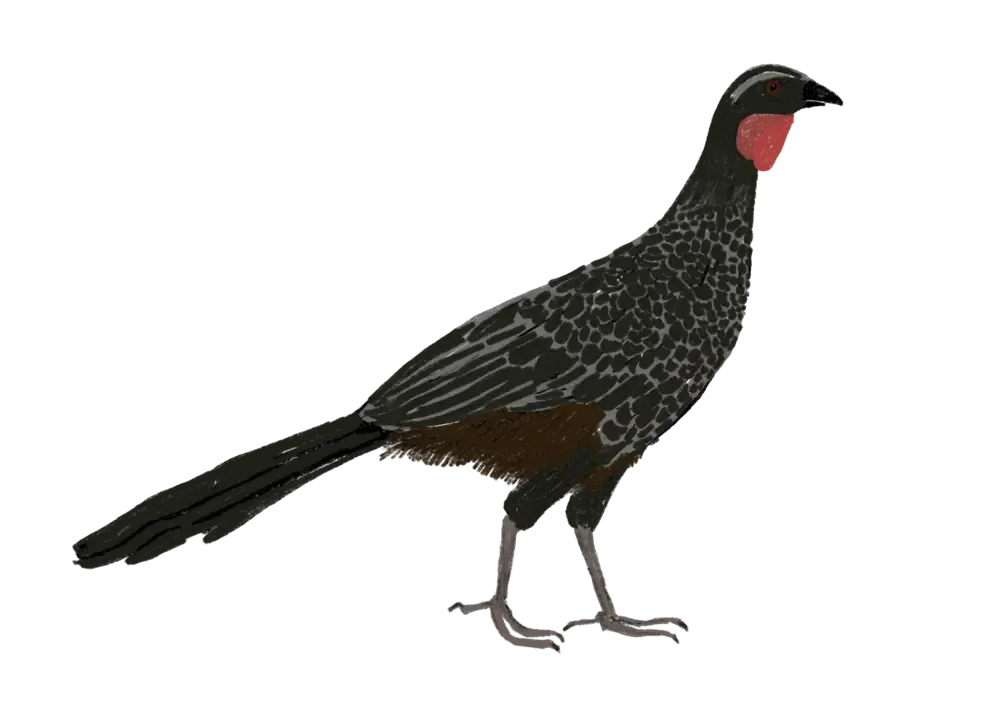
  • JACU/GUAN

    JACU/GUANPenelope superciliaris

    This bird, a relative of chickens, plays a crucial role in forest regeneration by dispersing seeds from its frugivorous diet. Measuring 55 cm and weighing around 850 grams, it stands out for its dark and white plumage and showy red jowls. It is known by the Tupi name “jacu”, which means “grain eater”.

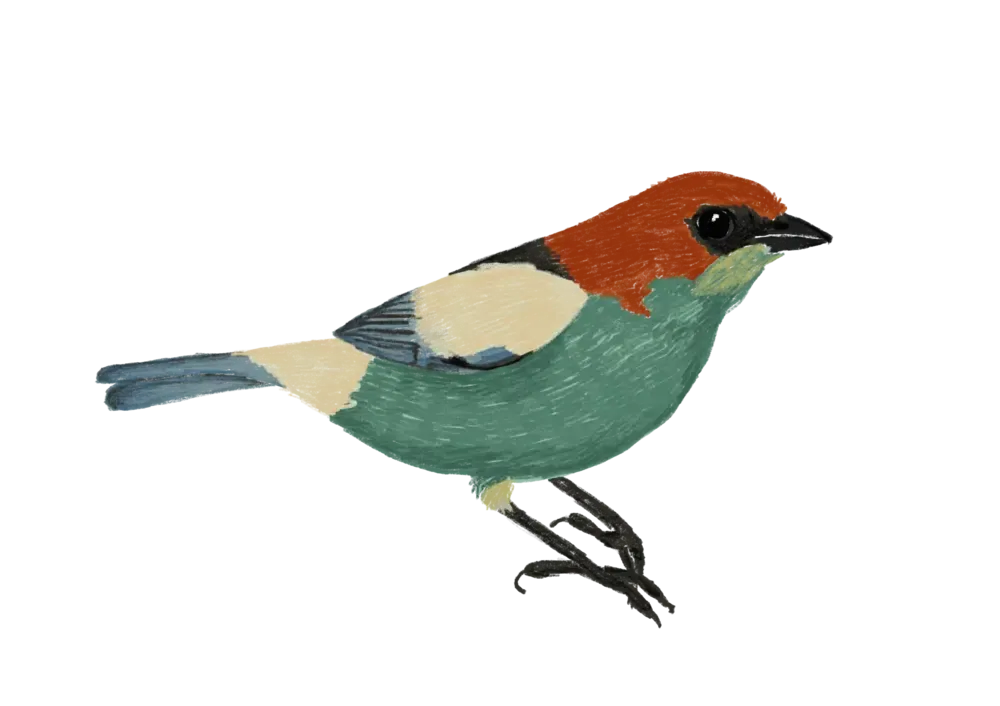
  • SAÍRA-SAPUCAIA/BLACK BLACKED TANAGER

    SAÍRA-SAPUCAIA/BLACK BLACKED TANAGERTangara peruviana

    With its multicoloured plumage, this is one of Brazil's most beautiful birds. A migratory bird, it visits Rio in winter to feed on the fruits of the aroeira trees. The species, endangered by deforestation and illegal trade, plays a crucial role in pollination and seed dispersal.

  • TIÊ-SANGUE/BRAZILIAN TANAGER

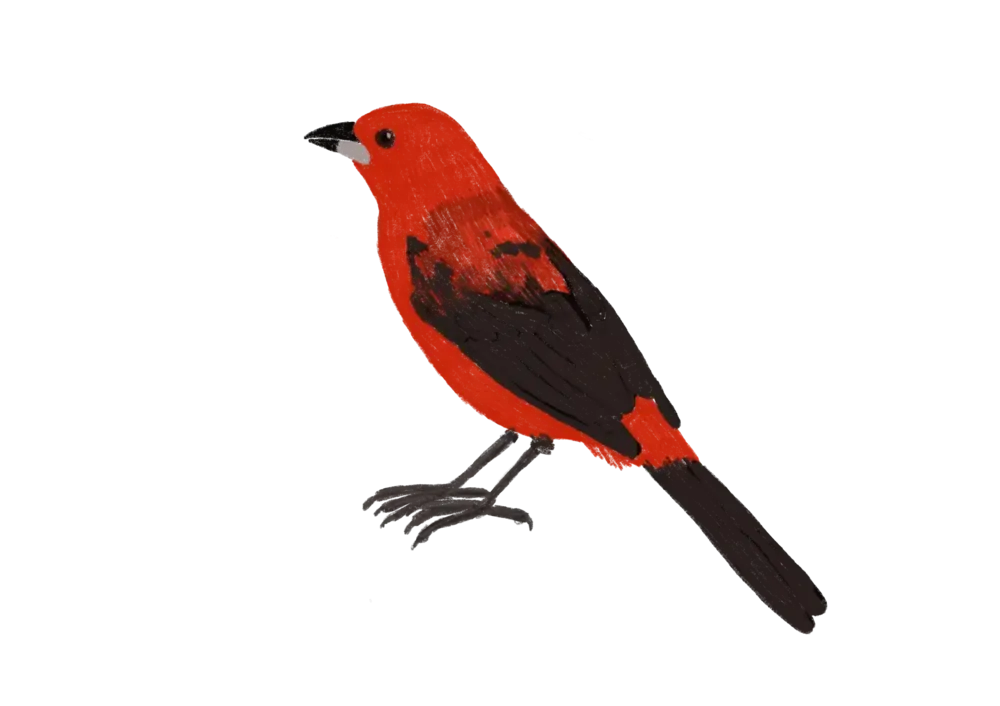
    TIÊ-SANGUE/BRAZILIAN TANAGERRamphocelus brasilius

    Endemic to the Atlantic Rainforest and exclusive to Brazil, the Brazilian Tanager is famous for its intense red plumage. Usually found in small groups, this bird feeds on fruit and is common on the sandbanks along the coast of Rio de Janeiro.

  • URUBU/VULTURE

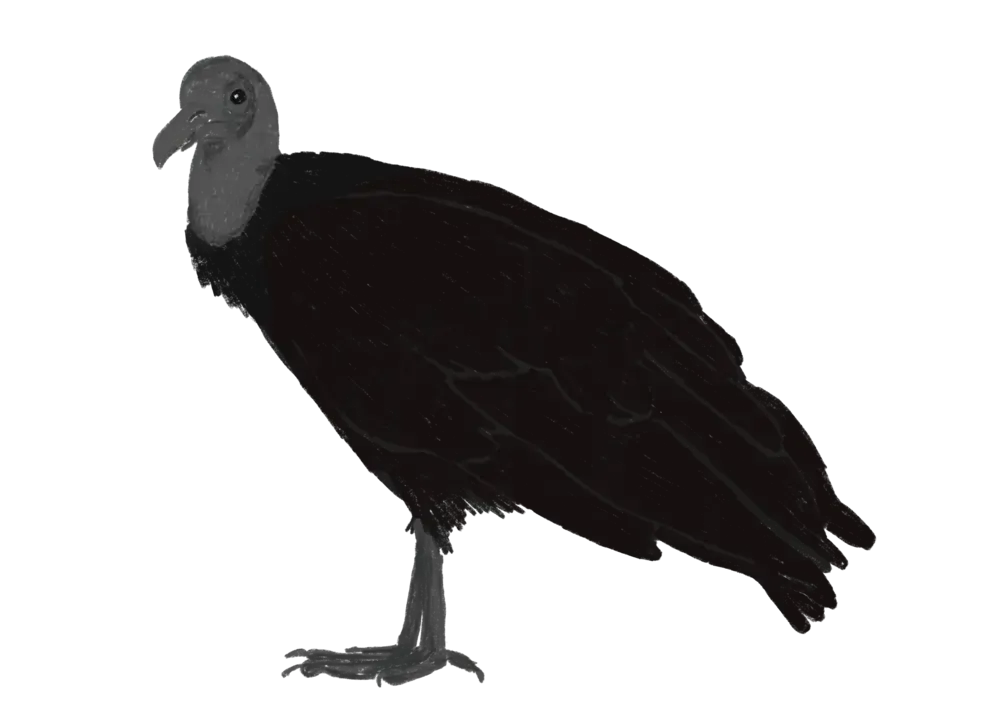
    URUBU/VULTURECoragyps atratus

    Notable for its ability to fly and glide gracefully, using thermal currents to save energy during flight. Its exceptional vision allows it to detect food over long distances. Acting as nature's garbage collector, it plays a fundamental role in balancing ecosystems by feeding on carcasses and debris.

  • GRALHA/CURL CRESTED JAY

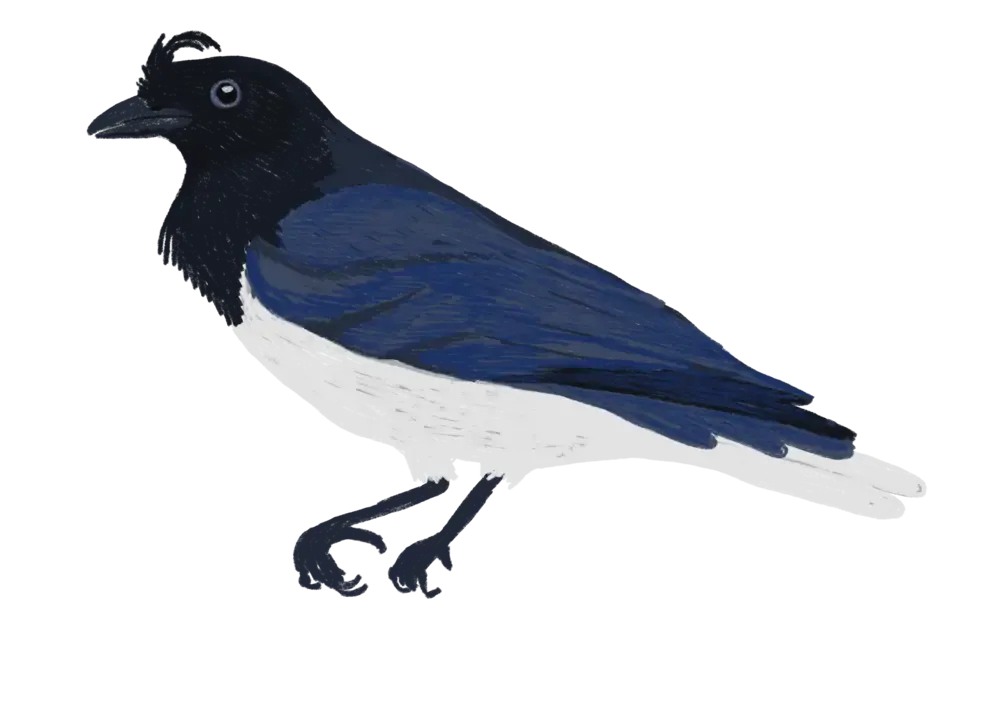
    GRALHA/CURL CRESTED JAYCyanocorax cristatellus

    Feeds on fruit, invertebrates, lizards and even the eggs of other birds. Originally from the Cerrado, this species is very noisy and usually flocks together. It weighs 178 grams and can reach 40 cm with its long wings.

  • PAU-BRASIL/BRAZILWOOD

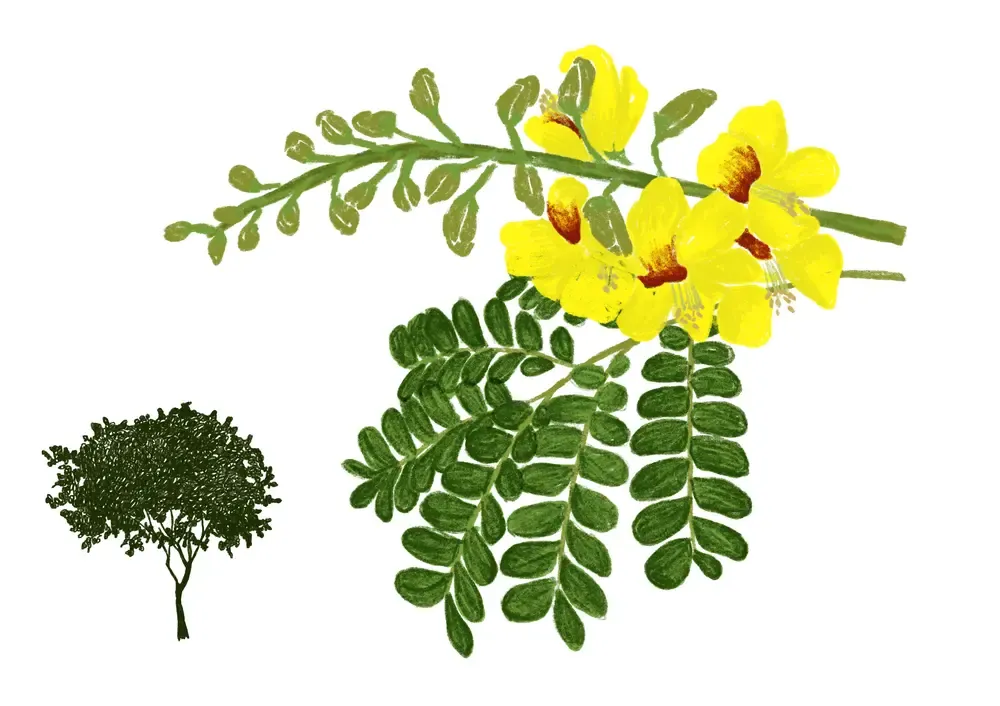
    PAU-BRASIL/BRAZILWOODPaubrasilia echinata

    The intensive exploitation of brazilwood during the colonial period resulted in a great deal of deforestation of the Atlantic Forest. It can reach a height of 20 meters and is considered by Law 6.607 of 7/12/1978 to be the symbol tree of our country.

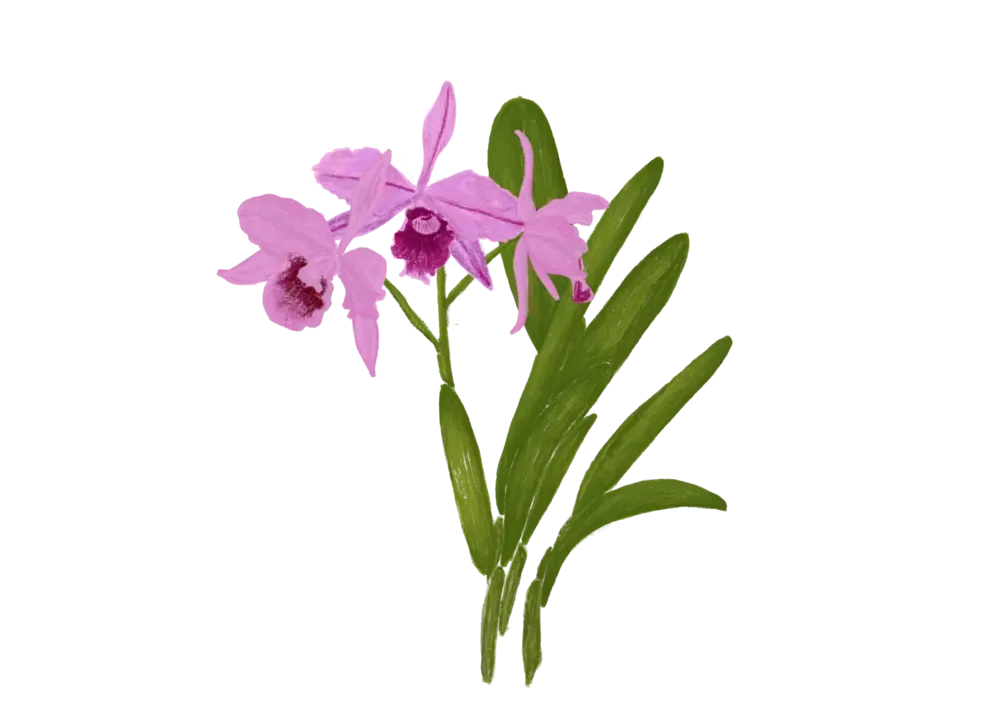
  • ORCHID

    ORCHIDCattleya lobata

    Originally from Brazil and native to the Atlantic Forest, this herbaceous plant can reach a height of 30 cm. Known for its large, vibrantly colored flowers, it is unfortunately threatened with extinction due to deforestation.

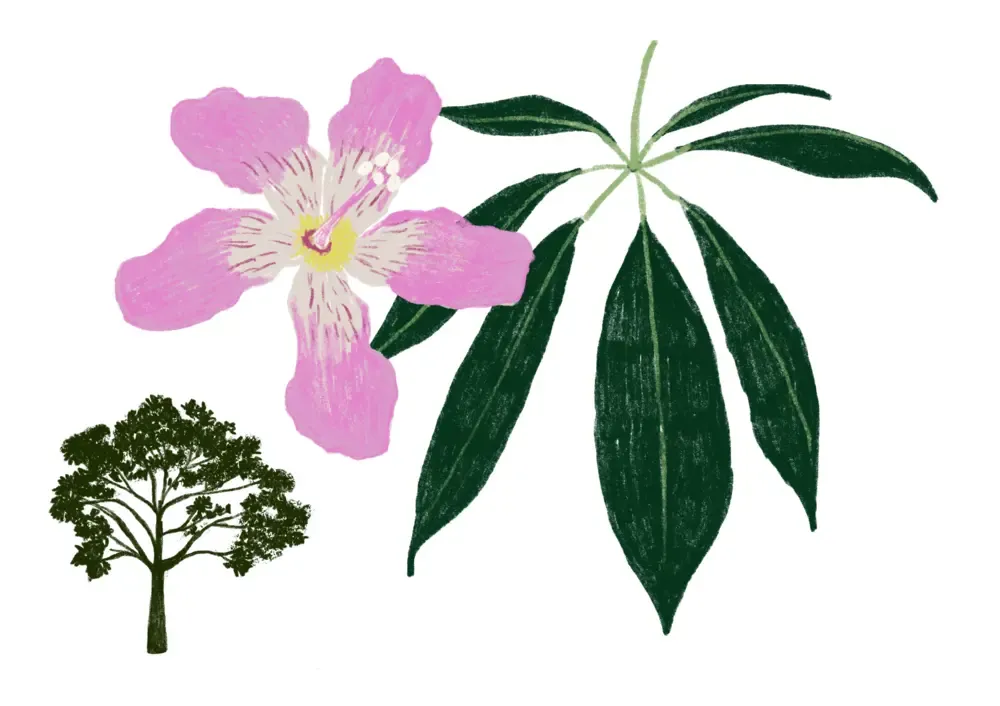
  • PAINEIRA/SILH-COTTON TREE

    PAINEIRA/SILH-COTTON TREECeiba speciosa

    Originally from South America, this tree-like plant can grow up to 15 meters high and its fruits have white hairs, which make them easier to disperse their seeds. The base of its trunk is thick, serving as a water store.

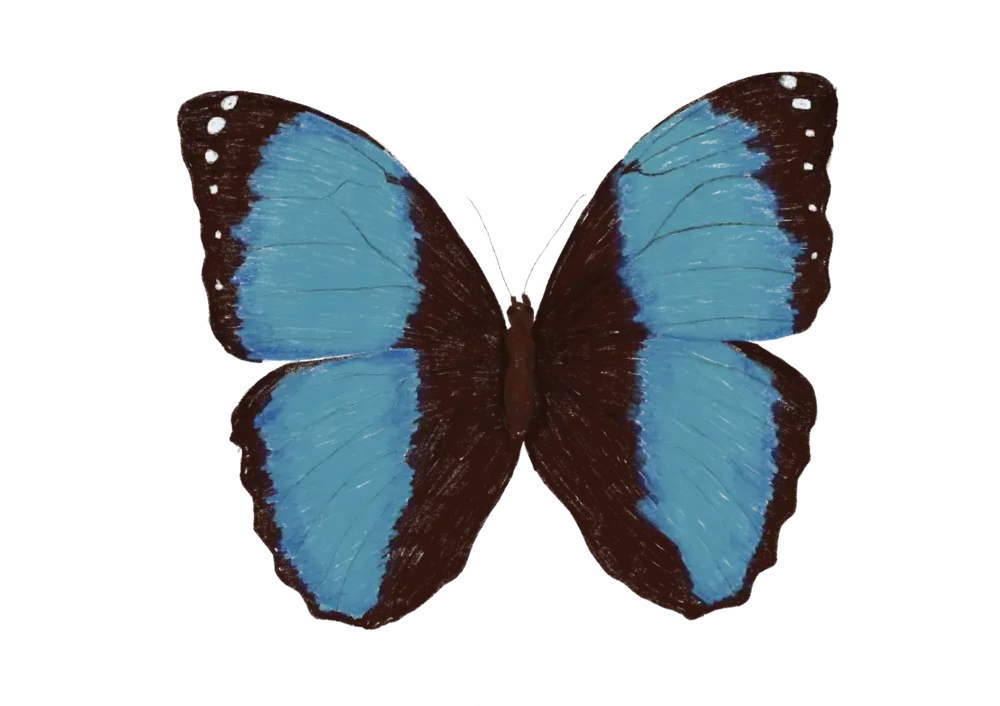
  • BLUE BUTTERFLY

    BLUE BUTTERFLYMorpho achilles

    Considered one of the most dazzling of its kind. Its metallic blue wings have brown dots that look like eyes, which confuse and scare away predators. It likes to fly during the day and feed on the sap on trunks or fallen fruit on the ground in tropical forests.

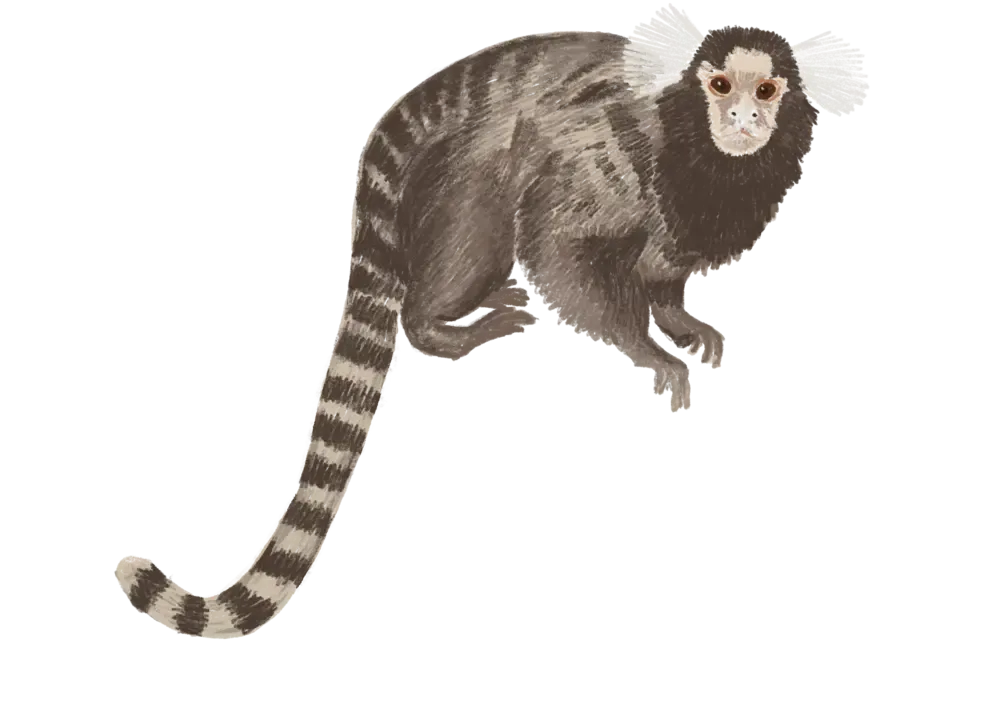
  • MARMOSET

    MARMOSETCallithrix sp

    Recognizable by its ear tufts, this small primate weighing 140 gr and 15 cm, plus a tail of the same size, is not native to the Atlantic Forest of Rio de Janeiro. They are predators of nests of small bi

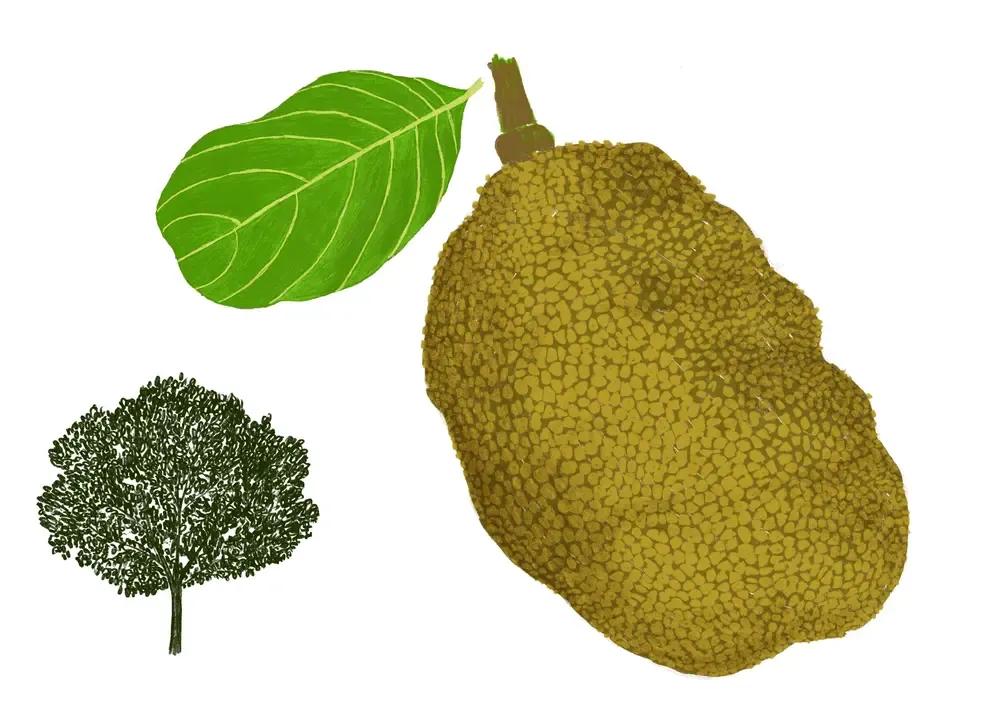
  • JACKFRUIT TREE

    JACKFRUIT TREEArtocarpus heterophyllus

    Originally from India, the jackfruit tree belongs to the Moraceae botanical family and was introduced to Brazil in the 17th century. It can reach a height of 25 meters and its fruit is the largest of all trees

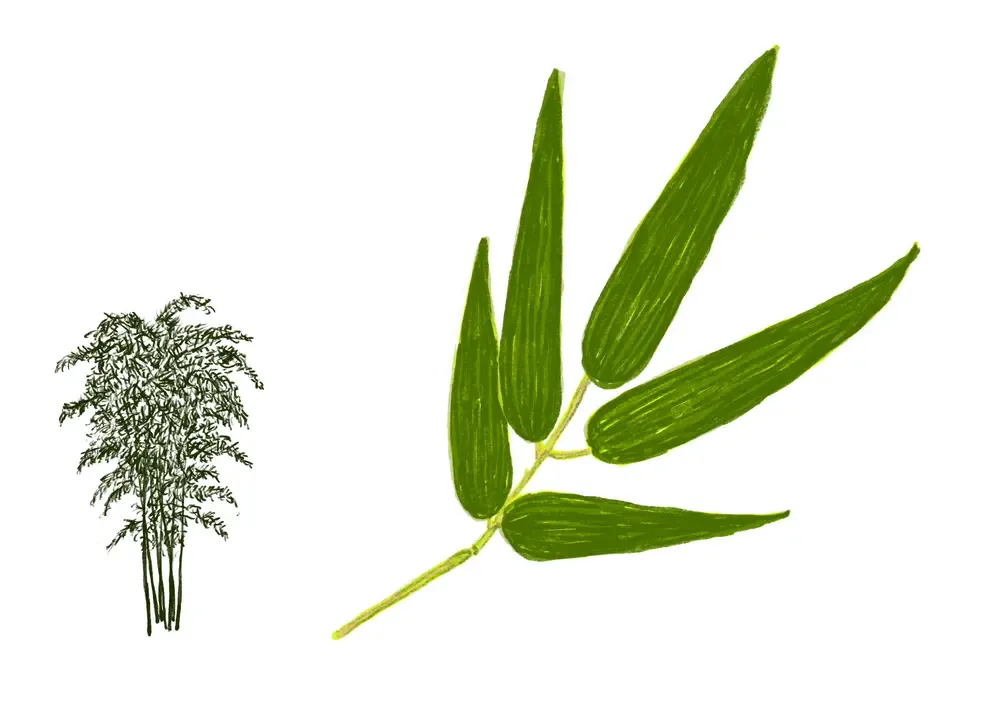
  • GOLDEN BAMBOO

    GOLDEN BAMBOOPhyllostachys aurea

    it can reach a height of 7 m and its stems turn yellow when exposed to the sun. It is native to China and was introduced to Brazil as a plant that provides building products and materials.

Bosque das Artes