Exposição Bosque das Artes
ExhibitionBosque das Artes
One of the most influential conceptual artists of the 20th century, Anna Bella Geiger (Rio de Janeiro, 1933) is a central figure for understanding contemporary art in Brazil and worldwide. Her work dismantles boundaries between body, language, territory, and politics, sustaining an ongoing investigation into how images and discourse produce the world—rather than merely represent it. Her thinking sets us adrift, urging us to question our place in the world.
A symbol of the “Marvelous City,” nearly 400 meters above sea level, Sugarloaf Mountain—shaped over almost 600 million years and one of the world’s most recognizable landscapes—shelters a rare Atlantic Forest reserve, the territory where Bosque das Artes is located. It is here that the Maravilha Project: Icons of the Landscape commissions Brazilian artists with distinguished trajectories to respond to the encounter between nature and culture, art and ecology.
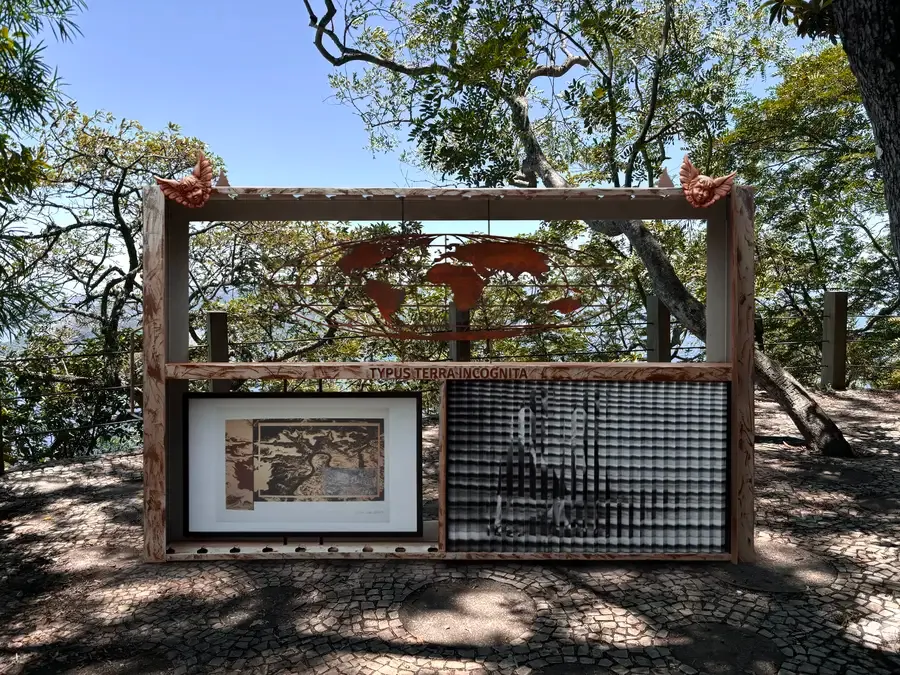
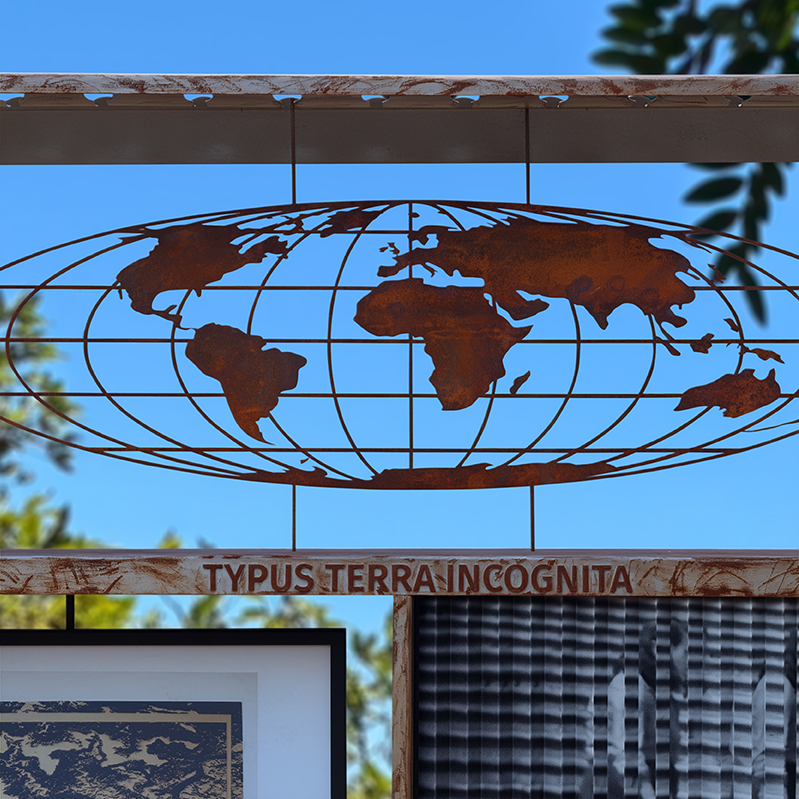
Since the 1950s, Geiger has transformed maps into thought and surfaces into symbolic fields. In Typus Terra Incognita, she recreates topography as a poetic and political form, bringing art closer to planetary urgencies. Territory, here, is not a boundary but a living, indeterminate body—crossed by memory, dispute, and imagination. Conceived as a monumental drawer, the work contains a cartographic projection in corten steel. Between its layers, two historic prints—Local da ação, 1500–2006 and Na outra margem del rio Amazonas—and fragments from the film Passagens 2 (1974) expand the work’s meaning: body and territory become the same matter. The Latin title, Typus Terra Incognita, revisits colonial maps but returns them as critical fiction—an invitation to rediscover mystery and doubt in the face of the world.
Launched with Carlos Vergara, the Maravilha Project reaffirms its commitment to ecological thinking and to creation as a force for coexistence—an interspecies solidarity. By fully neutralizing its carbon emissions, the project renews dialogue around heritage and upends metaphor by actively contributing to the preservation and restoration of the landscape, including its mapping and the dissemination of this information. From the top of Sugarloaf Mountain—a monumental body that safeguards this city’s exuberant relief—we are pleased to present essential names in Brazilian art. With hope, we offer this postcard landmark a new and innovative meaning: to perceive and contribute to a country in constant reinvention.
Ulisses Carrilho – Curator
Typus Terra Incognita, 2026
In the artist’s work, drawers—like maps—appear as devices that reveal regimes of power. By pushing the limits of representation, she appropriates the form of a drawer associated with archives and historical pasts, presenting it fully open and inscribed with a cartography of the world that never claims neutrality. Among the prints accompanying the work, one highlights tributaries of the Amazon River—a region that remains at the center of international climate disputes and that repositions Brazil within the global machinery of these urgencies—while another alludes to shifting borders that, throughout history, have shaped different territorial configurations.
This reference to the instability of outlines brings forth the political condition of cartography itself: every border is a drawing and, therefore, a construction that reveals intentions, agreements, and disputes. These prints are accompanied by images extracted from one of her landmark videos, which harness the critical power of displacement through the presence of a female body: the artist herself. The result is a hybrid, monumental object that invites the public to reconsider their own place—not only in geography, but also in history—articulating body, space, and narrative. A pioneer of conceptual art in Brazil, Geiger mobilizes multiple languages to build this expanded form of map and memory.
Sculpture – Corten steel, acrylic, galvanized sheet metal, digital print
VideoArt
Anna Bella Geiger was among the first Brazilian artists to incorporate video as a conceptual method of investigation—not merely as a technical medium, but as a critical gesture. In her experiments from the 1970s, she uses the camera to question identity, time, and space, at the intersection of body, memory, and politics.
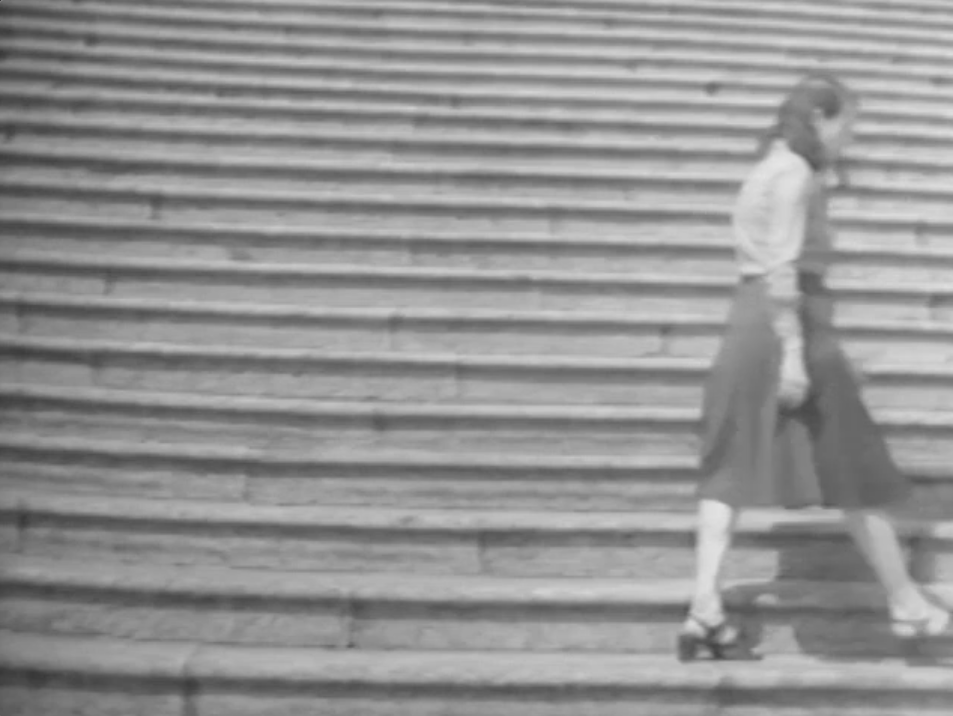
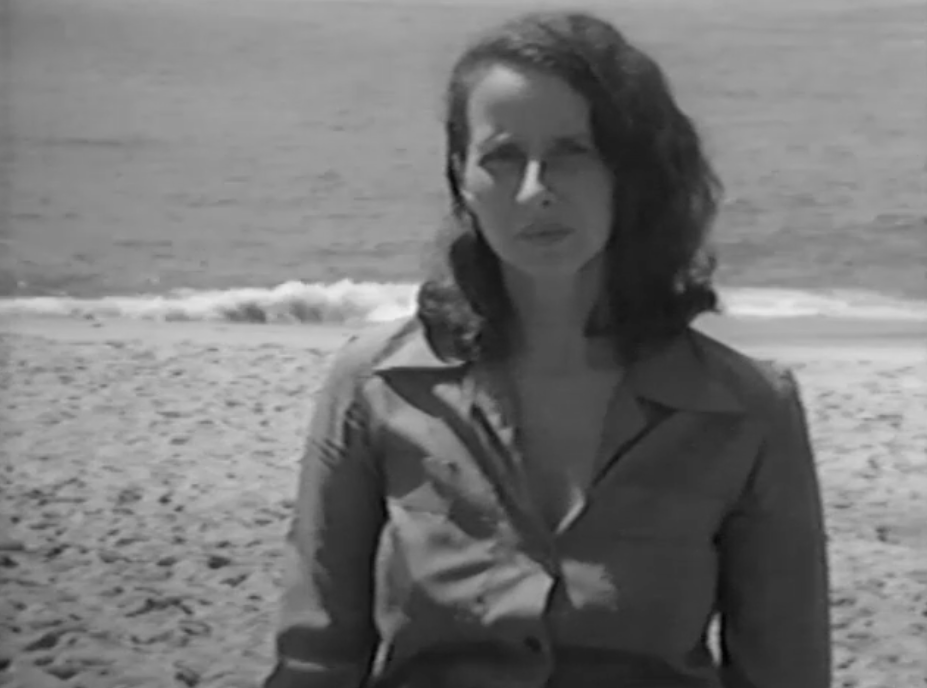
Her works Passagens II (1974), Declaração em retrato II (1976), and Mapas elementares II (1977) are paradigmatic of this radical moment. In Passagens II, Geiger repeatedly walks up stairways, exploring the notions of route, time, and repetition as an existential metaphor. In Declaração em retrato II, she develops a forceful self-representation, articulating a critique of the artist’s position within the Brazilian and international scenes. In Mapas elementares II, she draws maps in real time, ironizing the rigidity of geopolitical borders and proposing a fluid cartography, open to construction and to contested meanings.
Through these video-performances, Anna Bella builds a critical archive that dialogues with her work in printmaking, cartography, and installation, establishing relationships among image, power, and territory. Her pioneering practice is grounded in an aesthetic of technical restraint, measured rhythm, and rigorous concept—approaches that position her as a central figure in Brazilian conceptual video art.
Ulisses Carrilho — Curator
Passagens II, 1974
Anna Bella Geiger Video, B&W, sound. Duration: approx. 3'30''. Original format: analog videotape.
Produced amid Brazil’s earliest video experiments, Passagens II investigates displacement, repetition, and structure, using the act of walking itself as a conceptual method.
Declaração em Retrato II, 1976
Anna Bella Geiger Video, B&W, sound. Duration: approx. 6'. Original format: analog videotape.
In this work, Geiger engages self-representation as a political and conceptual field, activating video as a tool for critical reflection on identity and the subject’s positioning.
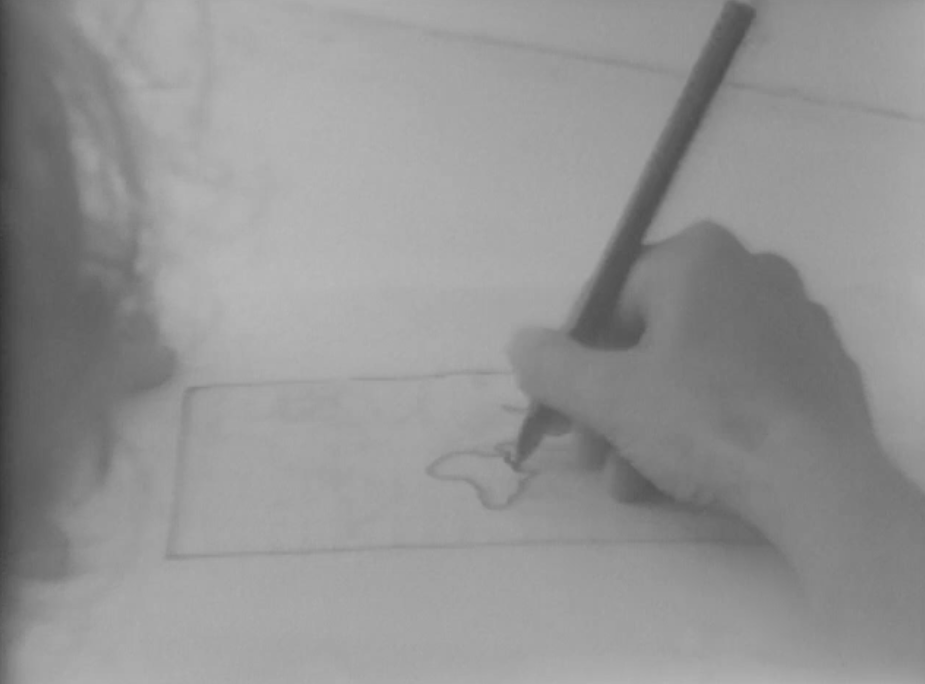
Mapas Elementares II, 1977
Anna Bella Geiger Video, B&W, sound. Duration: approx. 3'30''. Original format: analog videotape.
As part of her research into cartography and territory, Mapas elementares II challenges the supposed neutrality of maps by dramatizing, in real time, the act of drawing borders.
Carlos Vergara
Carlos Vergara is part of a lineage of artists who make the journey and exploration not only an aesthetic practice, but also the ethics of engagement with the world. His forays into trails, jungles and forests reveal an incessant quest to understand and record the marks left by time and culture on the most diverse environments. With his body in motion, he traces new maps and reinterprets old paths, in a journey that is both physical and spiritual. His monotypes are examples of works that capture this direct encounter with the landscape, in a way of marking where nature and history intertwine.
This practice, which is devoted to experience and immerses the artist in the world in such a visceral way, also invites the viewer to take an active role in the aesthetic experience. Vergara doesn't just offer works to be contemplated, but lenses through which to rediscover the surrounding environment. The artist's body, in movement, becomes an extension of the viewer's body, enabling new ways of seeing and understanding the world. By entering these spaces and proposing new narratives, Vergara reminds us of the importance of being present, of inscribing oneself in time and space, and of actively participating in the construction of meaning.
Ulisses Carrilho – Curator
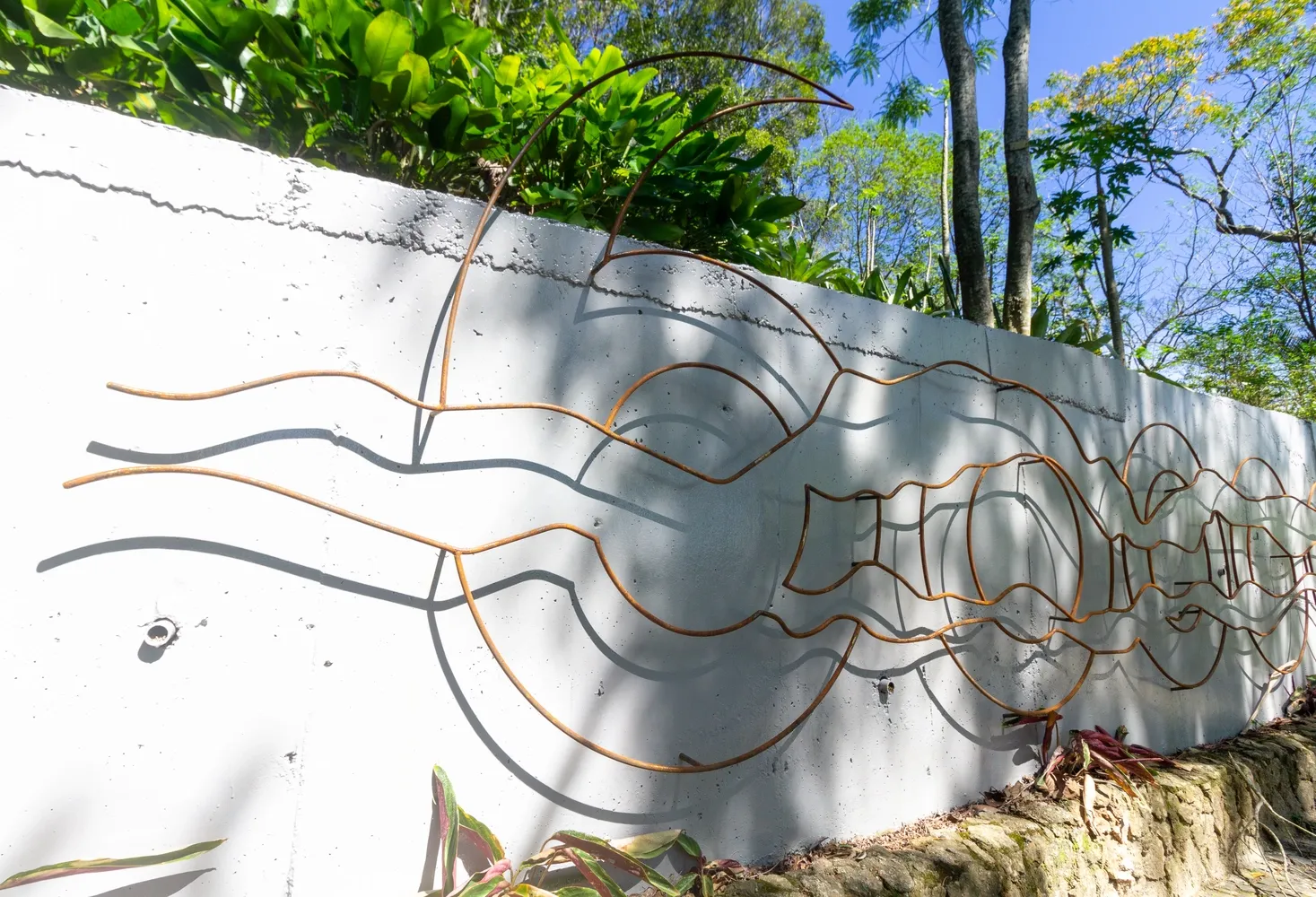
THE STONE AGE
n the Stone Age, Vergara refers to the approximate age of the Facoidal Gneiss: instead of considering the extraordinary relief of Rio de Janeiro only in terms of the time that the rock has undergone erosion, the artist decides to go back to approximately 500/600 million years ago, when the magma in the Planet´s interior cooled giving origin to the mineral matter which we call "rock". With this additional mathematical code, a number spelled out in full, the artist points to the tiny time scale of human life. Making biographical time and the time of Sugarloaf Mountain coexist, Carlos Vergara demonstrates his sensitive attention to the instability of forms and the unavoidable passage of time.
Made of 3/8 diameter heat-molded corten steel tube – Assembled by TIG/MIG welding
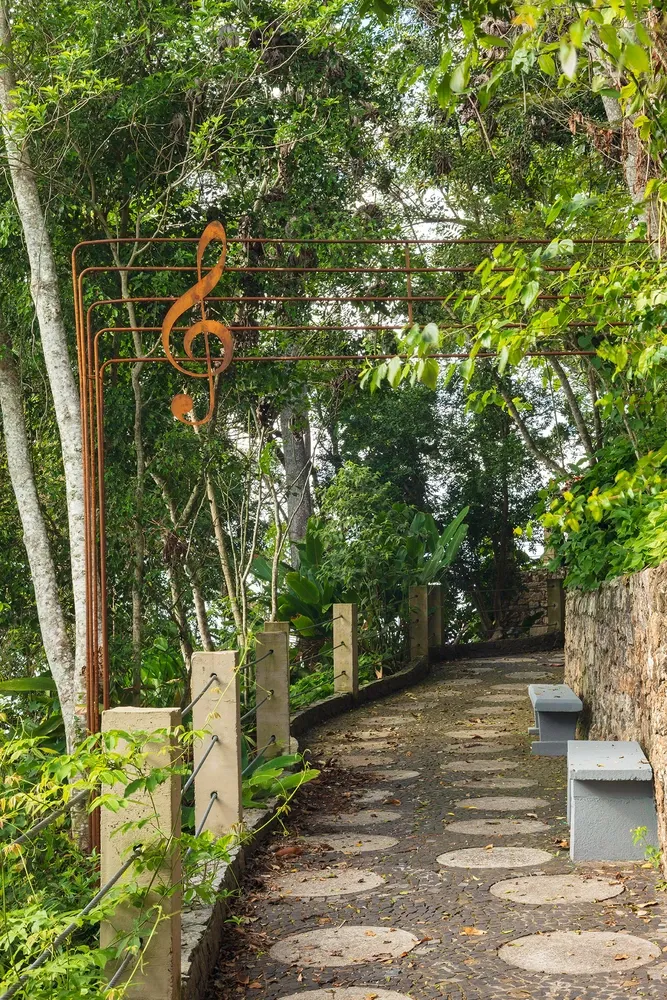
MUSICAL SCORE
Musical Score was born in the artist's studio in Santa Teresa and, now, in Projeto Maravilha, it gains scale and public dimension. In heat-molded steel, the parallel lines suggest the structure of sheet music, with the presence of a treble clef: a musical symbol used for the vast majority of instruments. When landing on the lines, the birds become the notes of an ephemeral composition: in a poetic way, the artist establishes a space of meditative potential, which protests against acceleration. While this structure serves as a landing place for birds, it becomes a visual device that highlights the audible beauty of birdsong.
Made from thermo-molded 3/8 diameter corten steel tube – Assembly TIG/ MIG welding